




For many couples, the dream of becoming parents comes naturally. However, for some, the path to pregnancy can be more challenging than expected. If you have been trying to conceive without success, your doctor may recommend In Vitro Fertilization (IVF)—one of the most advanced and successful fertility treatments available today.
If you're considering IVF for the first time, it's completely normal to have questions and concerns. Understanding each stage of the treatment can help you feel more informed and confident throughout your fertility journey.
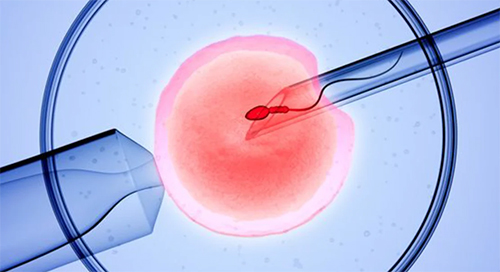
In Vitro Fertilization (IVF) is an assisted reproductive technology (ART) in which a woman's eggs are retrieved from the ovaries and fertilized with sperm in a specialized laboratory. The resulting embryo is then carefully transferred into the uterus, where it may implant and develop into a healthy pregnancy.
IVF is recommended for couples experiencing infertility due to conditions such as:
Your IVF journey begins with a detailed consultation with a fertility specialist.
During this visit, your doctor will:
Common fertility investigations include:
These evaluations help create a personalized treatment plan based on your unique fertility needs.
Normally, a woman produces one mature egg each month. During IVF, fertility medications are used to stimulate the ovaries to produce multiple mature eggs, increasing the chances of successful fertilization.
During this phase:
Your fertility team carefully monitors your progress to ensure the safest and most effective outcome.
Once the eggs have matured, a trigger injection is administered.
This injection helps the eggs complete their final stage of maturation and prepares them for retrieval. Egg collection is typically scheduled 34–36 hours after the trigger injection.
Timing is crucial for achieving optimal results.
Egg retrieval is a short outpatient procedure performed under mild sedation or anesthesia.
During the procedure:
Some women may experience mild cramping or light spotting afterward, which usually resolves within a day or two.
On the day of egg retrieval, a semen sample is collected from the male partner or previously frozen sperm is used.
In the laboratory:
The embryologists monitor fertilization over the next 24 hours.
Successfully fertilized eggs become embryos.
These embryos are observed in specialized incubators for 3–5 days while experts monitor:
Only the healthiest embryos are selected for transfer or freezing.
Embryo transfer is one of the most important stages of IVF.
The procedure is:
Using a thin catheter, the selected embryo is gently placed inside the uterus.
After the transfer, patients usually rest briefly before returning home. Most can resume normal daily activities within 24 hours, although strenuous exercise should be avoided.
The period following embryo transfer is often called the "two-week wait."
During this time:
Although waiting can feel emotionally challenging, it's important to avoid taking home pregnancy tests too early, as they may produce inaccurate results.
Approximately 10–14 days after embryo transfer, a blood test (Beta hCG) is performed to determine whether implantation has occurred.
If the result is positive:
Congratulations! Your fertility specialist will schedule an ultrasound to confirm the pregnancy and monitor early fetal development.
If the result is negative:
Your doctor will review the treatment cycle, discuss possible reasons, and recommend the next steps. Many couples achieve pregnancy after multiple IVF cycles.